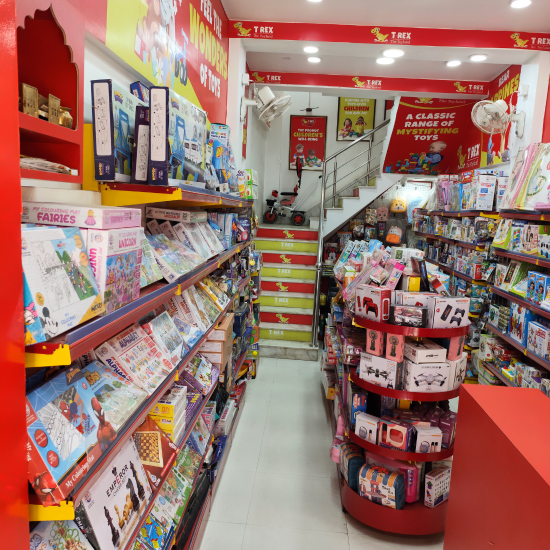

T-Rex the Toyland: Educational Toys for Child Development
Share
How Toys Help with Child Development
Introduction
Toys are much more than mere playthings for children. They play a crucial role in child development, nurturing creativity, and honing various skills. Among the many types of toys, DIY art projects for kids have gained popularity recently. These projects not only entertain children but also aid in their overall growth and learning.
Understanding Child Development
The Stages of Child Development
Child development occurs in distinct stages that encompass physical, emotional, and cognitive growth. From infancy to adolescence, each phase is critical in shaping a child's unique personality and abilities. During early childhood, play becomes essential. It's through play that children explore their surroundings and learn to interact with others.
Role of Play in Development
Play represents a natural way for children to develop skills. As they engage in various activities, they build social abilities, improve motor skills, and gain independence. When children use toys, especially DIY projects, they create an enriched environment for their minds to flourish, making play integral to healthy development.
Benefits of DIY Toys
Enhancing Creativity and Imagination
DIY toys are unique as they spark creativity and imagination. By allowing children to design their toys, they think outside the box and transform simple materials into something extraordinary. This freedom encourages them to express their thoughts and ideas, laying the groundwork for creative problem-solving later in life.
Encouraging Problem-Solving Skills
When kids engage in DIY activities, they often face challenges that require solutions. Whether it's figuring out how to attach two pieces together or deciding how to decorate a toy, problem-solving becomes part of the process. This hands-on experience fosters resilience and critical thinking, skills invaluable as children grow.
Parent-Child Bonding Through Crafts
Importance of Quality Time
One of the significant benefits of DIY art projects is the quality time they promote between parents and children. Crafting together allows families to step away from screens and connect through shared laughter and creativity. These moments foster a sense of togetherness and security, vital components of a child's emotional development.
Communication and Collaboration
While working on DIY projects, children and parents engage in discussions about ideas and techniques. This communication is essential for developing social skills. It teaches kids how to express their feelings and opinions, while also learning to listen to others. Collaboration during crafting helps strengthen their relationship and enhance mutual understanding.
Educational Benefits of Crafting
Learning Through Play
Crafting is not just a fun activity; it serves as an educational platform. Children learn various concepts naturally when they engage with DIY toys. For instance, while creating art, they are introduced to colors, shapes, and textures. This interactive learning process helps solidify foundational knowledge in a practical way.
Development of Fine Motor Skills
Creating DIY toys also supports the development of fine motor skills. As children cut, glue, and assemble materials, they improve their hand-eye coordination and dexterity. These skills are essential for many daily tasks and academic activities, making crafting a beneficial pursuit for children.
Sustainable DIY Toy Ideas
Eco-Friendly Materials
In today's world, being eco-friendly is more important than ever. Parents can teach children about sustainability through DIY toy projects. Using recyclable materials like cardboard, plastic bottles, and old newspapers is a great start. This eco-conscious approach not only reduces waste but also raises awareness about environmental issues.
Fun Projects to Try at Home
There are countless fun projects to try at home using sustainable materials. For example, turning an empty cereal box into a puppet theater or making musical instruments from old bottle caps can be exciting and educational. These activities encourage children to see the potential in everyday items, leading to innovative and green crafting ideas.
STEM-Based DIY Projects for Kids
Integrating Science, Technology, Engineering, and Math
STEM education is a critical area of learning for children. DIY projects that incorporate science, technology, engineering, and math can be incredibly engaging. For instance, building a simple robot or creating a homemade volcano can teach kids essential scientific principles while providing plenty of fun.
Examples of STEM DIY Projects
Some exciting STEM-based projects include constructing a bridge using popsicle sticks, experimenting with baking soda and vinegar for a mini volcano, or creating a simple circuit with a battery and LED light. These hands-on activities make learning active and enjoyable, helping children grasp complex concepts with ease.
Conclusion
In conclusion, DIY art projects for kids present an array of benefits that go beyond mere entertainment. From enhancing creativity to fostering parent-child bonding, crafting plays a vital role in child development. Parents are encouraged to explore various DIY options, embracing the countless projects available to support their child’s growth journey. By participating in these activities, families create lasting memories while nurturing essential skills that will benefit children throughout their lives.